
 WINCH STRAPS
 RATCHET STRAPS
 E-TRACK STARPS
 BUNGEE STRAPS
 LIGHT WEIGHT TARPS
 TARP REPAIR KITS
 TRANSPORT CHAINS AND SNOW TIRE CHAINS
 RATCHET & LEVER BINDERS
 CHAIN HOOKS AND HARDWARE
 LOAD SUPPORT
 PLASTIC CORNER PROTECTORS
 V-CORNER PROTECTORS
 STEEL CORNER PROTECTORS
 CORNER PROTECTOR PLACEMENT
 OVERSIZE LOAD FLAGS & BANNERS
 SAFETY APPAREL & ACCESSORIES
 CAB RACKS
 TOOL BOXES
 GRILLE GUARDS
 WINCH SYSTEMS
 ACCESSORIES

If you've spent any time around a flatbed, you already know chain alone doesn't secure a load. It's the binder that turns loose chain into a tight, DOT-legal tie-down, and most drivers end up picking a side early in their career: ratchet or lever. The ratchet binder vs lever binder debate comes up constantly among flatbed drivers, and honestly, there's no single right answer. It comes down to your load, your experience with each style, and how much control you want over the tension going into that chain. Here's what actually separates the two, and how to figure out which one belongs in your truck box.
Types of Chain Binders
Before we compare them, it helps to know what's out there.There are two main types of chain binders on the market: ratchet binders and lever binders. Lever binders sometimes go by another name, snap binders, since the handle snaps into a locked position once it's pulled through, but that's just a different name for the same tool, not a separate style. Both types do the same basic job, applying and holding chain tension so a load doesn't shift, but they get there in completely different ways.
Want a full breakdown of binder types and the chain sizes they pair with? Check out our binders collection, organized by size and style.
How Does a Ratchet Binder Work?
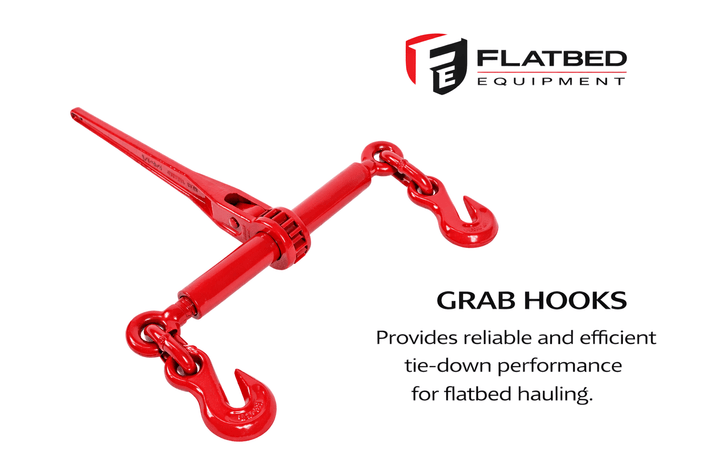
A ratchet binder uses a ratcheting mechanism similar in concept to a ratchet strap to tighten chain in small, controlled increments. You hook the binder to the chain on both ends, then work the handle back and forth to wind the tension up gradually. Because you're adding tension a notch at a time, you can stop the moment the load feels secure instead of guessing. That control is one of the main advantages of a ratchet binder, especially when precise tension adjustment matters. They take a little longer to set than a lever binder, but the tradeoff is worth it for most drivers hauling steel, machinery, or any load that needs a careful touch.
How Does a Lever Binder Work? A lever binder works more like a switch. You hook both ends to the chain, then pull the long handle down in one motion, and the binder snaps into a locked position instantly. There's no gradual tightening step. Whatever tension is on the chain when the handle locks is what you're stuck with. That speed is exactly why some drivers still reach for a lever binder on routine hauls, especially when they're securing the same type of load over and over and already know roughly how much tension it needs.
Ratchet Binder vs. Lever Binder: The Key Differences
The core difference comes down to control versus speed. A ratchet binder lets you dial in tension gradually and stop exactly where you want it, while a lever binder locks in one motion with little room to adjust. Ratchet binders are also generally easier to release safely, since you can walk the tension back down the same way you added it. Lever binders can release stored tension quickly, which requires extra care during release. For flatbed drivers hauling mixed freight day to day, that extra control usually tips the decision toward ratchet.
Here's the comparison side by side:
| Ratchet Binder | Lever Binder | |
| Tightening method | Small, controlled increments | One motion, locks instantly |
| Setup speed | Slower | Faster |
| Tension control | High, adjustable as you go | Fixed once the handle locks |
| Release | Gradual, walked back down | Sudden, all at once |
| Safety | Controlled tensioning and release | Requires more caution on release |
| Best suited for | Mixed freight, varied loads | Repeat hauls, predictable tension |
Which Binder Is Safer: Ratchet or Lever?
This is the question most drivers actually care about, and it comes up in nearly every conversation about binder safety. Ratchet binders offer more control because the tensioning and release process happens in small, controlled steps. There's less risk of the handle snapping back unexpectedly or the operator misjudging how much force is stored in the chain. Lever binders can do the job just as well when used correctly, but they demand more attention. The handle needs to be released with the operator's body clear of its swing path, particularly when significant tension is stored in the chain.
Are Lever Binders Illegal in the U.S.?

Drivers often ask whether lever binders are illegal. The short answer is no, not nationwide. Federal cargo securement regulations do not impose a nationwide ban on lever binders. That said, some carriers and insurance policies have their own internal rules on binder use, regardless of what federal law allows. Before you load up with lever binders as your go-to, it's worth checking your own company's equipment and safety policies.
When to Use a Lever Binder Instead of a Ratchet Binder
None of this means lever binders don't have a place. They're faster to set, which matters on short local runs where you're securing and releasing loads several times a day. They're also simpler mechanically, with fewer moving parts to seize up or fail in cold weather. If you're running a predictable load type where you already know the right tension by feel, and your carrier allows it, a lever binder can save real time over a full shift without cutting corners on securement.
What Kind of Binder Is Best for Flatbed Trucking?
So, what kind of binder is best? For many flatbed operations, a ratchet binder offers more control and versatility. It's a practical choice for flatbed trucking when you're hauling varied freight, working with drivers of different experience levels, or running under a carrier policy that favors ratchet binders across the board. That said, the right pick really depends on your operation. A small fleet running the same predictable route every day might prefer lever binders, while a company hauling mixed loads may prefer the adjustment and control of ratchet binders.
Knowing how to use your binders properly matters more than which style you choose. Match the binder to your chain size, check for a cracked handle or jaw before every haul and never exceed the working load limit stamped on the binder itself. Whichever type ends up in your truck box, treat it like the part of your rig that actually keeps the load on the trailer because that's exactly what it is.
Ready to gear up? Browse our full chains and binders collection for G70 chains paired with rated ratchet and lever binders sized to match.